


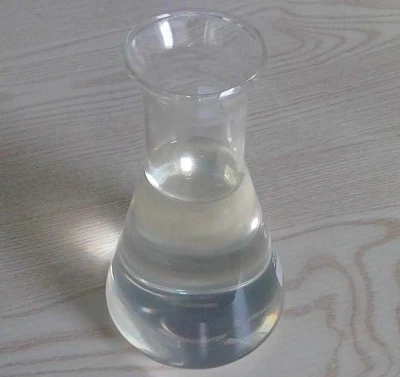
is an organic compound with the molecular formula CH2CL2O3S, which combines the properties of chloromethyl and chlorosulfonate esters with unique chemical properties and applications. Which belongs to the class of chlorosulfonate esters, which is a class of organic synthetic intermediates with a wide range of uses. It has a sulfur atom attached to two oxygen atoms, one of which has a chlorine atom attached to it, and the other oxygen atom is attached to an organic group. Because of its unique structure, it is used as a reagent for chloromethylation or sulfonate esterification in organic synthesis. It can be used to introduce chloromethyl groups into organic molecules, thereby altering the chemical properties and reactivity of the molecule. Chlorosulfonates are also commonly used in the preparation of other important organic compounds or as protecting groups in organic synthesis. Specific areas of application include organic synthesis processes in the pharmaceutical, pesticide, dye and flavor industries.

|
|
|

| CH2Cl2O3S | |
| 165 | |
| 150.96 | |
| m/z | 149.89 (100.0%), 151.89 (63.9%), 153.89 (10.2%), 151.89 (4.5%), 153.89 (2.9%) |
| Cl, 46.97; O, 31.80; S, 21.24 | |
| 45-50 ℃/10 mmHg | |
| 1.631 g/mL at 25 ℃ | |
| n 20/D 1.448 | |
| 176 ℃F | |
| 2-8℃ | |

An experimental study on chloromethyl chlorosulfate (CMCS) highlights its preparation through a catalytic method and its subsequent reactions with nucleophiles. In this study, the reaction of liquid sulfur trioxide (SO3) with dichloromethane (CH2Cl2) at room temperature results in the insertion of SO3 into the C-Cl bonds, yielding CMCS. This process is slow but becomes rapid with the addition of catalytic quantities of trimethyl borate. The product mixture consists primarily of CMCS and methylene bis(chlorosulfate) (MBCS) in a ratio of approximately 2:1. However, the typical yields of CMCS, isolated by distillation, are only 30-35%.
The catalyzed reaction in the homogeneous liquid phase at 45℃ was monitored over time and as a function of reactant concentration using 1H NMR spectroscopy. During this process, three additional transient products (designated A, B, and C) were formed, which decompose slowly at 45℃ but more rapidly at room temperature, giving rise to additional CMCS and MBCS. These transient products are suggested to be chloromethyl chloropolysulfates arising from the reaction of one molecule of CH2Cl2 with two, three, and four molecules of SO3, respectively.
CMCS reacts rapidly with anionic nucleophiles, such as halide or acetate ions, in homogeneous solution. The reactivity of CMCS has been compared with that of MBCS and methyl chlorosulfate (MCS) in competitive experiments, revealing a reactivity order of MCS > MBCS > CMCS >> CH2Cl2.
This study provides insights into the preparation and reactivity of CMCS, showcasing its potential as a valuable intermediate in organic synthesis. However, the low yields and the formation of transient products indicate the need for further optimization of the reaction conditions to improve the efficiency and yield of CMCS.
 |
 |
Chloromethylation is a chemical reaction where a chloromethyl (-CH2Cl) group is introduced onto an aromatic or aliphatic compound. This process typically involves the use of formaldehyde and hydrochloric acid in the presence of a catalyst, such as zinc chloride or sulfuric acid, to generate the chloromethylating agent. Alternatively, specific reagents like chloromethyl sulfonyl chloride can also be employed.
The reaction mechanism of chloromethylation often begins with the electrophilic attack of the aromatic ring by the positively charged carbon of the formaldehyde-derived intermediate, which is subsequently chlorinated to form the chloromethyl group. This substitution reaction can occur at various positions on the aromatic ring, depending on the ring's substitution pattern and the reaction conditions.
Chloromethylation finds wide applications in the synthesis of various chemicals, including dyes, pesticides, and pharmaceuticals. For instance, it is used to prepare benzotriazole UV absorbers and flame retardants. Additionally, chlorinated aromatic compounds obtained through chloromethylation serve as intermediates in the production of polymers and surfactants.
Despite its utility, chloromethylation reactions must be carried out with caution due to the potential hazards associated with the reactants and products, such as corrosivity and toxicity. Therefore, appropriate safety measures and careful control of reaction conditions are essential to ensure safe and efficient chloromethylation processes.
Non-natural amino acids (NNAAs) represent a diverse class of compounds that do not occur naturally in the genetic code of organisms. Unlike the standard 20 proteinogenic amino acids, which are essential for the synthesis of proteins in living organisms, NNAAs are synthetic or modified versions that can be incorporated into proteins through various chemical and genetic engineering techniques.
These amino acids often possess unique chemical functionalities, such as altered side chains, fluorescent properties, or metal-binding capabilities, which expand the repertoire of chemical reactions and interactions possible within proteins. Their incorporation allows for the creation of proteins with novel physical, chemical, and biological properties.
NNAAs have found applications in various fields, including biotechnology, biomedicine, and materials science. In biotechnology, they have been used to engineer proteins with enhanced stability, solubility, or catalytic activity. In biomedicine, they have been employed to create proteins with new therapeutic functions or to develop targeted drug delivery systems. In materials science, they have been utilized to design proteins with unique mechanical or optical properties.
The ability to incorporate NNAAs into proteins with high precision and efficiency has been greatly facilitated by recent advancements in genetic code expansion technology. This technology enables researchers to site-specifically incorporate NNAAs into proteins in living cells, thus providing a powerful tool for the rational design and engineering of proteins with novel properties and functions.

Method 1: Direct esterification based on chlorosulfate and alcohols
Chlorosulfonic acid (HSO₃Cl).
Methanol or corresponding alcohol (e.g. chloromethanol CH₂ClOH).
Mix chlorosulfonic acid with methanol or chloromethanol at appropriate temperature and pressure.
The addition of a catalyst (e.g., sulfuric acid, boron trifluoride, etc.) may help accelerate the reaction.
Hydrogen sulfate intermediates may be formed during the reaction, followed by the formation by transfer of chlorine atoms.
Compounds containing appropriate functional groups (e.g., phenols, alcohols, etc.).
Chloromethylation reagents (e.g. chloromethyl methyl ether, formaldehyde, etc.).
Chlorosulfonic acid or other sulfonating reagent.
First, the starting material is chloromethylated using a chloromethylation reagent to form an intermediate containing chloromethyl groups.
by an esterification process.
Chloromethyl chlorosulfate, or Chloromethyl chlorosulfonate, exhibits distinct bioactive characteristics that render it useful in various biochemical applications. Here's an overview of its key bioactive features:
Selective Reactivity: It serves as a highly selective reagent for chloromethylation reactions, particularly in the synthesis of biologically active molecules. This selectivity allows for the precise modification of amino acids and other biomolecules without generating unwanted byproducts, such as carcinogenic bis(chloromethyl)ether.
Amino Acid Modification: Employed in the Fmoc-protected amino acid chloromethylation process. This modification is crucial for the synthesis of peptide conjugates and other amino acid-derived bioactive compounds.
Versatile Intermediate: Due to its reactive chloromethyl group, it serves as a versatile intermediate in the preparation of a wide range of bioactive compounds. These compounds may exhibit antibacterial, antifungal, antitumor, or other biological activities, depending on their structure and target.
Potential in Drug Discovery: Given its role in the synthesis of amino acid-based bioactive molecules, it holds potential in drug discovery and development. It may enable the creation of novel pharmaceuticals with improved efficacy and reduced side effects.
In summary, its bioactive characteristics make it a valuable tool in biochemical research and drug development. Its selective reactivity, ability to modify amino acids, and versatility as an intermediate in the synthesis of bioactive compounds highlight its potential in creating novel therapeutic agents.
Researchers are exploring sustainable alternatives to traditional solvents like DCM. Ionic liquids (ILs), such as 1-butyl-3-methylimidazolium hexafluorophosphate ([BMIM][PF₆]), offer advantages like low volatility and high thermal stability. CMS dissolved in [BMIM][PF₆] has been shown to maintain reactivity while reducing environmental impact. Additionally, mechanochemistry-solid-state reactions induced by grinding-is emerging as a solvent-free method for CMS-mediated reactions, though scalability remains a challenge.
The integration of CMS with transition metal catalysts is opening new avenues in asymmetric synthesis. For example, combining CMS with chiral phosphine ligands and palladium enables enantioselective chloromethylation, producing chiral molecules with high optical purity (>99% ee). Such methodologies are invaluable in synthesizing enantiomerically pure drugs, reducing waste from racemic mixtures.
CMS's role in graphene modification is just the beginning. Researchers are investigating its use in functionalizing carbon nanotubes (CNTs) and quantum dots (QDs). By grafting chloromethyl groups onto CNT surfaces, scientists can improve their dispersion in polymers, enhancing the mechanical properties of nanocomposites. Similarly, CMS-mediated reactions could tailor the surface chemistry of QDs, optimizing their photoluminescence for bioimaging or solar cell applications.
Chloromethyl chlorosulfate is a testament to the power of electrophilic reagents in organic synthesis and industrial chemistry. From its role in synthesizing life-saving drugs to its applications in advanced materials, CMS continues to push the boundaries of what is possible. However, its reactivity demands rigorous safety protocols to mitigate risks. As the chemical industry pivots toward sustainability and precision, CMS will remain a cornerstone, evolving through green chemistry initiatives and cutting-edge catalysis to address tomorrow's challenges. Whether in the hands of a novice chemist or a seasoned researcher, chloromethyl chlorosulfate is a reagent that embodies the spirit of innovation-where creativity and caution converge to forge the future.
Populaire tags: chloromethyl chlorosulfate cas 49715-04-0, suppliers, manufacturers, factory, wholesale, buy, price, bulk, for sale